
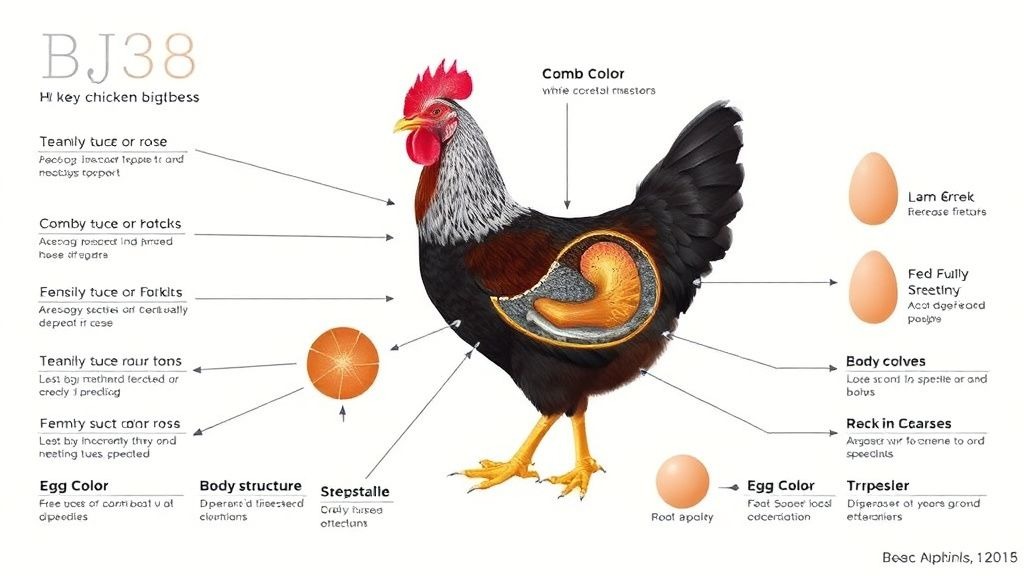
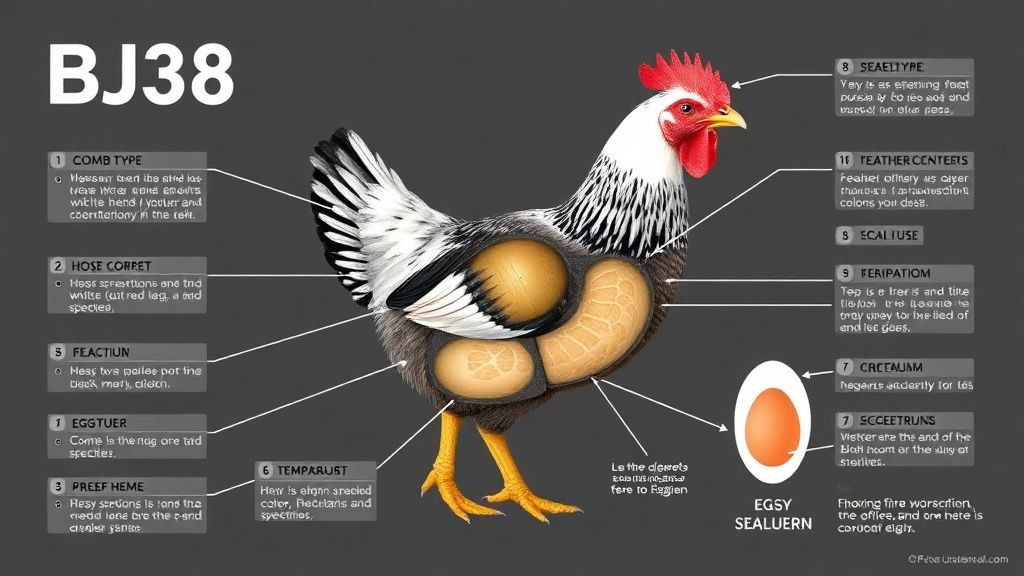
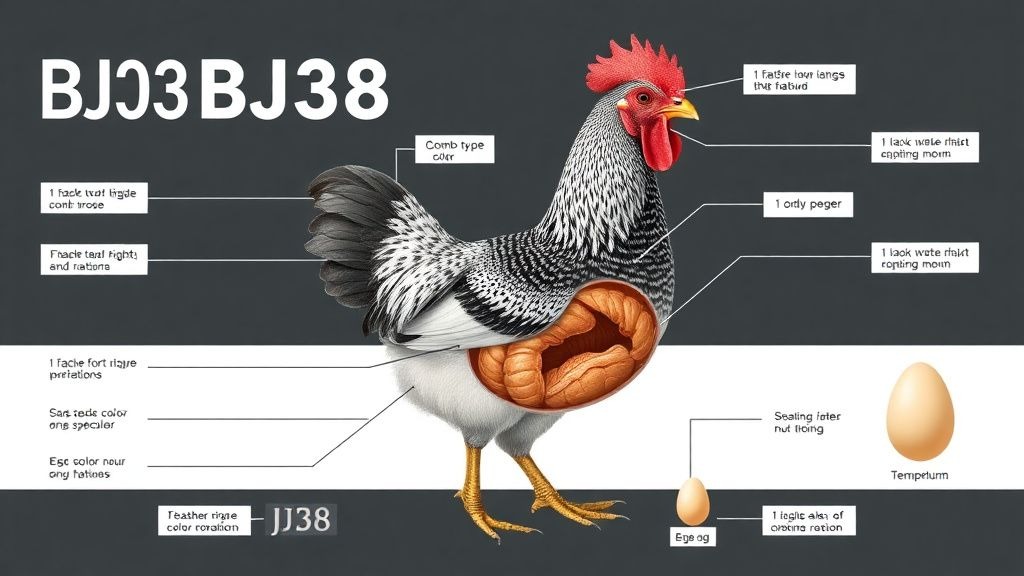
In the world of poultry farming, Mẹo Chăm Gà BJ38 has become a vital resource for enthusiasts and professionals aiming to maximize their chicken's health, productivity, and overall well-being. The BJ38 breed, known for its resilience and high yield, requires specialized care tailored to its unique characteristics. Whether you're a beginner or a seasoned breeder, understanding these Mẹo Chăm Gà BJ38 ensures your flock thrives, demonstrating how efficient and effective poultry management can be achieved with knowledgeable practices. The BJ38 breed is a remarkable species that showcases a distinctive combination of vigor, adaptability, and productivity. Known for its impressive growth rate and robust health, BJ38 chickens are characterized by their vigorous body structure, excellent feather coverage, and resilient immune system. These features make them an ideal choice for breeders who seek a breed that can withstand various environmental challenges while still delivering high meat and egg yields. What sets BJ38 apart from other breeds is its genetic predisposition for fast growth and efficient feed conversion. This breed also exhibits a calm temperament, making it easier for farmers to handle and train. By better understanding the specific traits of BJ38, poultry enthusiasts can tailor their care routines, optimize breeding strategies, and enhance overall flock performance. Recognizing these breed characteristics leads to more tailored care and increased productivity, which is essential in modern poultry farming. It's also important to note that BJ38 chickens are well-adapted to diverse climates, thanks to their hardy nature. They tend to develop resistance against common poultry diseases, but this doesn't negate the necessity of preventive measures. Knowing the breed's physical and behavioral traits allows farmers to create environments that maximize these innate strengths, ultimately leading to a healthier, more productive flock. Proper care for BJ38 chickens begins with creating an environment that supports their natural behaviors and physiological needs. Maintaining a clean, spacious, and well-ventilated coop is fundamental. The subtlest improvements—such as adequate lighting, proper temperature control, and clean bedding—can significantly enhance their growth rate and immunity. Because Mẹo Chăm Gà BJ38 emphasizes tailored management, it is worthwhile to regularly monitor the flock for signs of stress or discomfort, adjusting habitat conditions as needed. Feeding routines play a critical role in their health. Providing a balanced diet rich in proteins, vitamins, and minerals ensures their growth is not only rapid but also healthy. Fresh water must always be available, as dehydration can lead to decreased feed intake and weakened immune functions. Additionally, incorporating natural supplements like garlic or herbal extracts can enhance resistance against illnesses, aligning with Mẹo Chăm Gà BJ38. Adequate space, combined with social interaction and exercise, prevents behavioral issues such as feather pecking or aggression, reinforcing the importance of a comprehensive care routine. Finally, establishing a routine for health checks and vaccinations helps prevent outbreaks of common poultry diseases like Newcastle or avian influenza. Regular cleaning schedules and biosecurity measures restrict pathogen entry, preserving the health of your flock. Remember, the success of BJ38 largely depends on attentive, consistent care leveraging both traditional practices and innovative Mẹo Chăm Gà BJ38 strategies. A scientifically formulated diet is essential for maximizing the potential of BJ38 chickens. These birds require a high-protein diet—usually around 18-22%—to support their rapid growth and muscle development. Incorporating grains, soybean meal, fish meal, and essential vitamins ensures optimal nutrient intake. In Mẹo Chăm Gà BJ38, emphasizing feed quality is key since substandard feed can lead to stunted growth, health issues, and lower yields. Supplementing their diet with natural additives such as probiotics and herbal extracts can further boost immunity and improve nutrient absorption. Additionally, providing ample access to clean water encourages digestion and hydration, which are critical during periods of rapid growth or stress. It is also recommended to adjust feeding schedules based on the age and activity levels of the chickens, emphasizing that overfeeding can lead to obesity, while underfeeding restricts growth. These nuances in diet management show the importance of personalized nutritional strategies in Mẹo Chăm Gà BJ38. Furthermore, farmers should consider integrating mineral supplements like calcium and phosphorus to strengthen bones and improve eggshell quality, especially during laying periods. Avoiding sudden diet changes is another vital Mẹo Chăm Gà BJ38, as abrupt shifts can cause digestive disturbances. Regularly checking feed intake and monitoring growth rates help ensure your flock receives the right nourishment, thereby enhancing both health and productivity. Proactive health management is fundamental to maintaining a thriving BJ38 flock. While this breed exhibits resilience, it remains vulnerable to prevalent poultry diseases such as coccidiosis, respiratory infections, and parasitic infestations. Preventive measures, including proper hygiene, biosecurity protocols, and vaccination, form the foundation of disease control. In Mẹo Chăm Gà BJ38, prevention strategies are prioritized, as early intervention minimizes the economic and health impacts of outbreaks. Monitoring behavioral changes and physical symptoms allows early detection of disease. Symptoms like labored breathing, loss of appetite, or abnormal droppings should prompt immediate action. When infections are identified, targeted treatments—such as antibiotics (used judiciously), antiparasitic medications, or herbal remedies—should be applied following veterinary guidance. Ensuring quarantine zones for new or sick chickens helps prevent disease spread within the flock. In addition to medical interventions, the implementation of immune-enhancing practices plays a vital role. Incorporating natural immunity boosters like probiotics, clean water, and high-quality diet can fortify BJ38 chickens’ defenses. Mẹo Chăm Gà BJ38 stresses that a combination of vigilant care, quick response to health issues, and preventative strategies ensures a healthy, productive flock capable of withstanding environmental and biological stresses. Training BJ38 chickens may appear challenging, but with patience and the right techniques, farmers can teach their flock to adapt more smoothly to human interaction and controlled routines. One effective method involves gradual desensitization—repeatedly exposing birds to handling, noises, or specific signals helps reduce stress and creates a more cooperative flock. In Mẹo Chăm Gà BJ38, gentle handling and positive reinforcement foster trust, making routine procedures like vaccinations, trims, and inspections less stressful. Another valuable practice is establishing consistent routines for feeding, cleaning, and socialization, which cultivates discipline within the flock. For example, training chickens to come when called or to stay within designated areas ensures easier management and reduces risks during free-range activities. Using treat rewards encourages compliance and reinforces positive behaviors, strengthening the bond between the breeder and the flock. This interactive approach epitomizes the essence of Mẹo Chăm Gà BJ38, turning basic flock management into a more engaging and effective process. Understanding the behavioral nuances of BJ38 chickens is essential for successful training. Recognizing signs of discomfort or aggression allows for tailored behavior correction, promoting harmony and reducing stress-induced health issues. Additionally, integrating environmental enrichment—like perches, dust baths, and hiding spots—can improve their mental well-being, making training more effective and your flock more resilient. Breeding BJ38 chickens requires precise planning to maintain desirable traits such as growth rate, disease resistance, and overall vigor. Successful reproduction depends on choosing healthy, genetically superior breeders and providing optimal conditions for mating and incubation. In Mẹo Chăm Gà BJ38, focusing on genetic diversity is vital to prevent inbreeding depression and ensure continual improvement of the breed. Implementing structured breeding programs aids in maintaining the breed's core characteristics while allowing for desirable trait enhancement. Reproductive management involves selecting healthy roosters and hens, designing appropriate nesting areas, and supplementing diets with nutrients essential for egg production and sperm viability. Regular monitoring of laying patterns, fertility rates, and hatchability helps fine-tune the breeding process. Additionally, artificial incubation techniques and careful hatchery management can increase success rates, especially for commercial farms. Understanding the reproductive cycle's intricacies allows breeders to plan and organize breeding schedules effectively, boosting productivity. A key Mẹo Chăm Gà BJ38 tip is to balance selective breeding with maintaining genetic diversity, safeguarding against health issues and inbreeding depression over generations. Proper record-keeping, combined with environmental management—adequate lighting, temperature control, and minimal stress—ensures high fertility and healthy chick emergence. In this way, breeders can build a resilient flock that embodies the best qualities of the BJ38 breed, fostering sustainable poultry farming. In summary, mastering Mẹo Chăm Gà BJ38 involves understanding the breed’s unique traits, providing tailored environmental and nutritional care, proactively preventing diseases, implementing effective training practices, and carefully managing breeding processes. These comprehensive strategies contribute greatly to raising a healthy, vigorous, and productive flock that thrives under well-managed conditions. Emphasizing consistency, patience, and scientific principles enables breeders to unlock the full potential of BJ38, ensuring sustainable success in poultry farming.Understanding BJ38 Chicken Breed Characteristics
Optimal Care Strategies for BJ38 Chickens: A Comprehensive Guide
BJ38 Chicken Diet and Nutrition: Maximizing Growth and Health
Preventing and Treating Common Diseases in BJ38 Chickens
BJ38 Chicken Training Techniques: Tips and Best Practices
BJ38 Chicken Breeding and Reproduction: A Detailed Overview
Conclusion